
The PocketStation
Sony’s Tiny Console You Never Got to Play

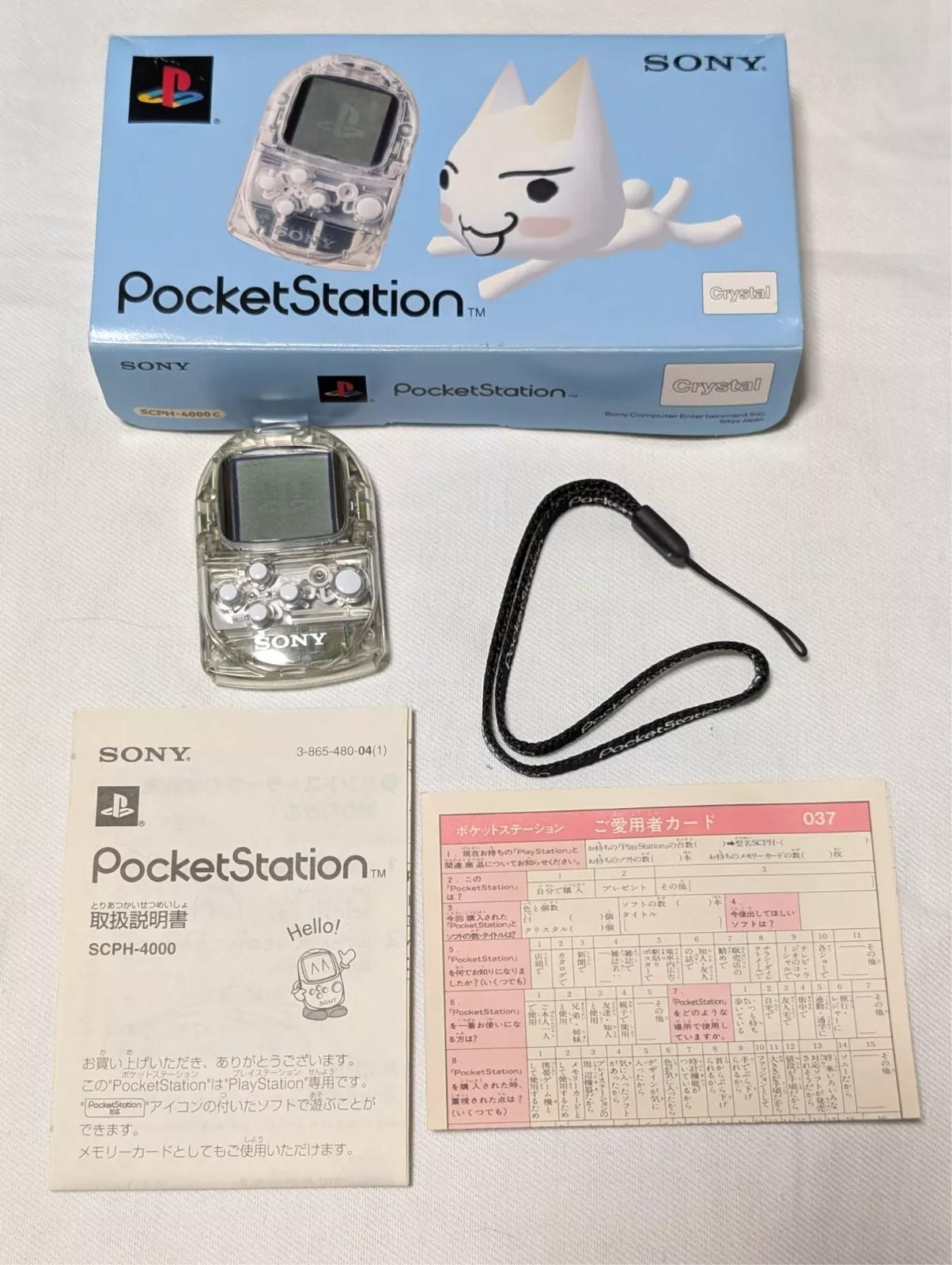
Most people outside Japan have never seen a PocketStation. It’s rarely mentioned in retrospectives, and it never made it to North America or Europe. But in 1999, Sony released this strange little device only in Japan. It looked like a toy—about the size of a keychain, with a tiny screen and five buttons—but it had big ideas behind it. It was technically a memory card, but also a handheld console. You could save your PlayStation games on it, play mini-games, and even transfer data between systems using infrared. It didn’t catch on globally, and Sony never gave it a worldwide release. But for a while in Japan, it was a big deal. It sold millions of units, had support from over a hundred games, and introduced ideas that wouldn’t become normal in gaming until years later. This is the story of a weird little device that tried something new—and quietly helped shape the future.
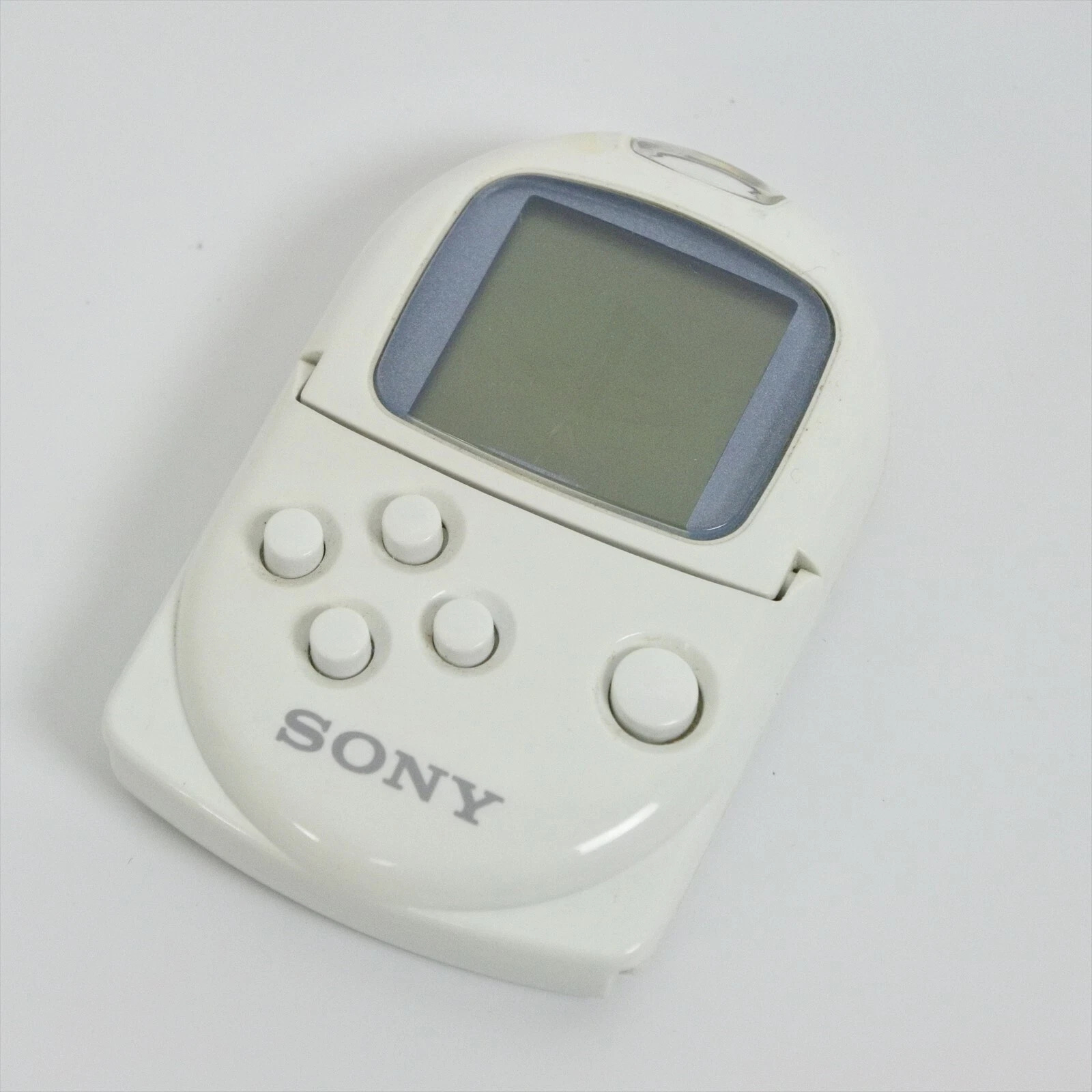
Sony had been working on the PocketStation since 1997. Internally, they called it “Memory Card with LCD.” Eventually it got a real name and a full release, but only in Japan. Sony said the demand was too high to release it anywhere else, but the truth is, it was probably too weird for the U.S. market. It wasn’t something you needed to play your games. It was more like a bonus device—extra, optional, and a little hard to explain.
It worked like a normal memory card. You could save your progress and plug it into either slot on the front of your PlayStation. But if you were playing a game that supported it, you could download a mini-game or companion app onto the PocketStation. Then you could unplug it and keep playing on the go.
The PocketStation had no backlight. The screen was small and simple, more like a calculator than a Game Boy. You used the buttons to scroll through menus or play short games. It ran on a single CR2032 battery, and if that battery died, you could lose your saved game or mini-game data. It also had infrared so you could trade data with another PocketStation—but that was about the extent of its wireless abilities. No syncing to a PC. No online connection. Just console and card.
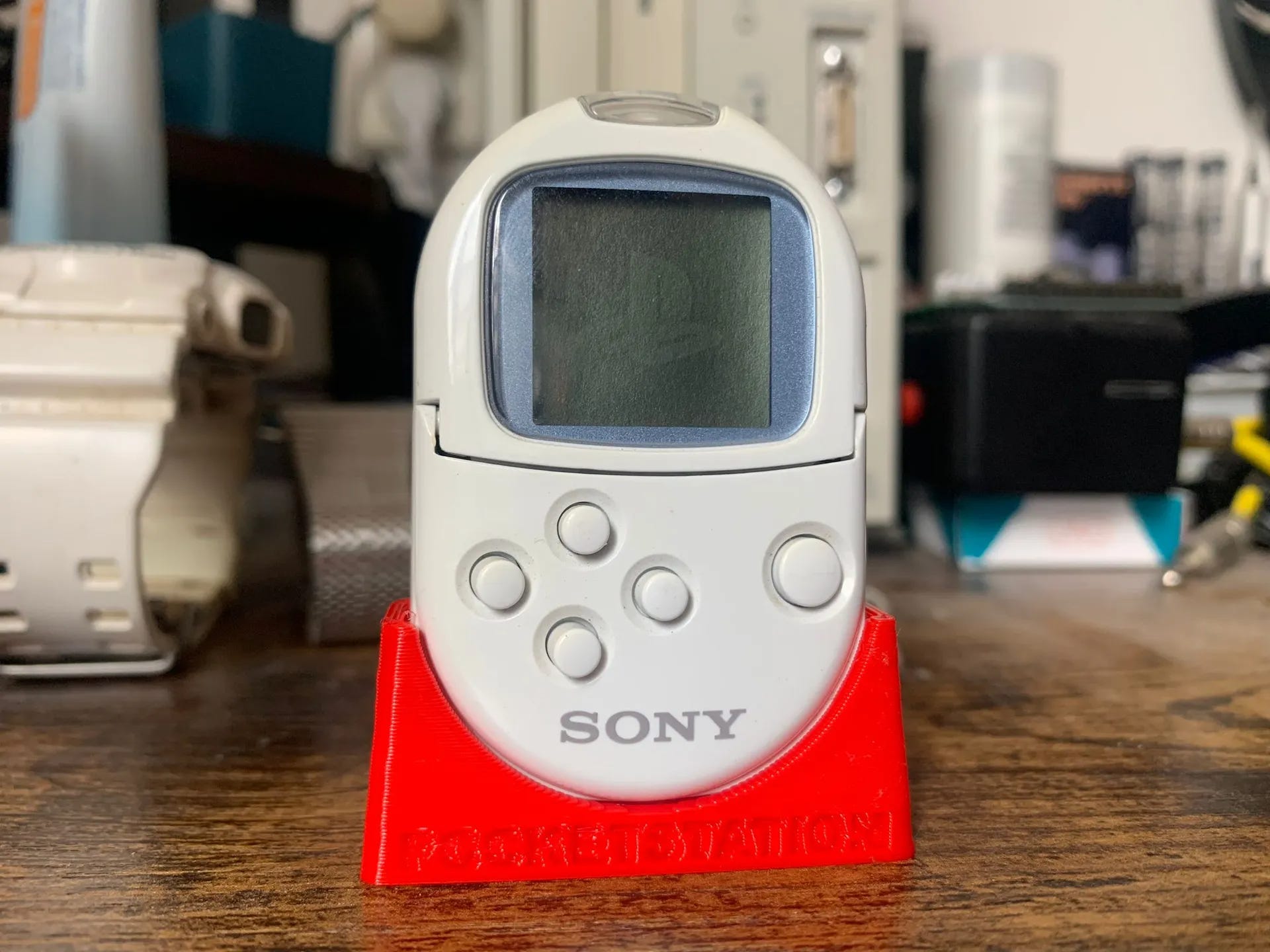
Over 100 PlayStation games supported the PocketStation in some way. Some just used it to unlock extra items. Others gave you full games.
The most famous example was Final Fantasy VIII. The Japanese version came with a mini-game called Chocobo World. You raised a chocobo, leveled it up, and then sent it back into the main game to help you during battles. The U.S. version completely removed this feature.
Metal Gear Solid: Integral included downloadable VR missions. Street Fighter Alpha 3 had PocketStation-only fighters and game modes. Crash Bandicoot 3 let you unlock secret content. And Dokodemo Issho, a life sim featuring a cat named Toro, was one of the system’s best-known titles. Toro even became a Sony mascot in Japan—he’s still around today.
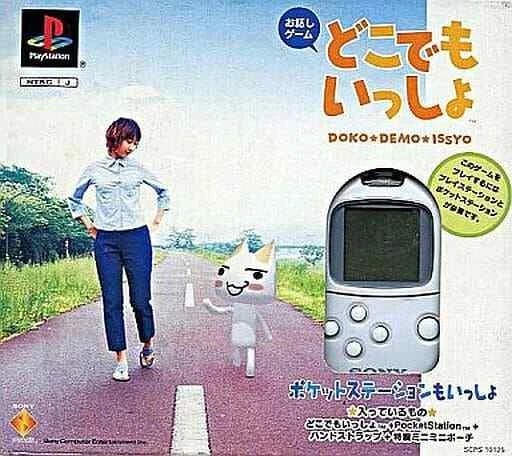
These weren’t just gimmicks. Some games gave real rewards or bonuses for using the PocketStation. If you didn’t have one, you missed out.
Sony claimed demand was too high in Japan to manufacture enough for the global market. But that’s probably not the whole truth. The PocketStation was strange. It didn’t make sense to a lot of players. Most games didn’t require it. Explaining why someone should buy a memory card with a screen wasn’t easy—especially when memory cards were already expensive on their own.
By the time interest started to dip, it was already too late. The PlayStation 2 was on the horizon, and Sony had other things to focus on.
Still, the PocketStation sold over five million units in Japan. That’s not a failure.
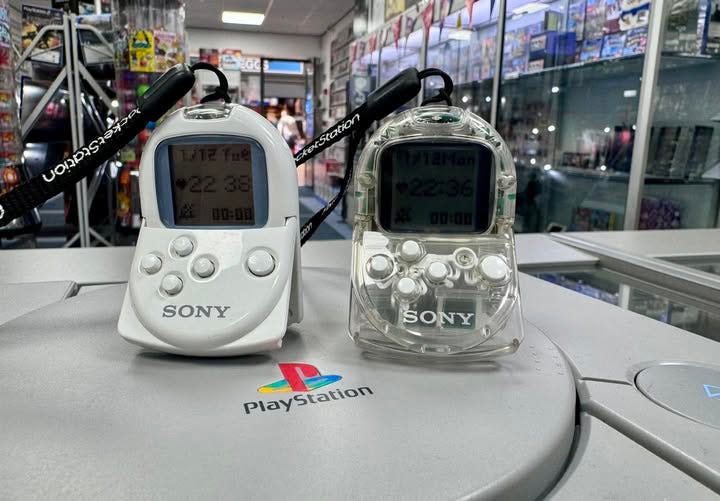
Sony officially discontinued the PocketStation in 2002. By then, support from developers had already dropped off. The device still worked as a regular memory card, but most of the mini-games were no longer relevant. No new releases. No updates. No new support.
In 2013, Sony brought it back briefly as a digital app for the PS Vita. You could play some old PocketStation content if you had compatible games. It was mostly just for nostalgia. The app was shut down in 2015.
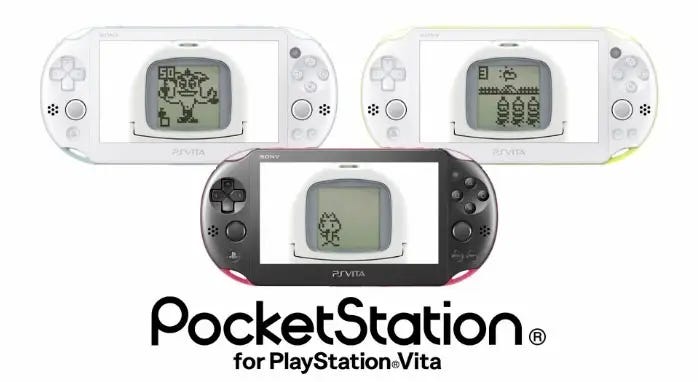
The PocketStation didn’t fail. It was just too early. Too weird. But it helped shape where gaming would go. It was one of the first examples of second-screen gameplay. You could take part of your console game with you—train a character, find items, then return to your system and use the results. Today, that’s normal. We do it on phones, Switch consoles, and through cloud saves.
Sony kept trying this idea for years—using the PSP and Vita to connect with home consoles. But the PocketStation did it first.
It also helped people see that game saves could be more than just static files. They could be active. They could change. They could be part of the game world, even when the console was off.
You can still buy PocketStations on sites like eBay. Many are yellowed. Some don’t work. A few still do. You’ll need a Japanese PlayStation game to use it properly. Most of those are long out of print. But if you find one, you get a tiny piece of gaming history.
The PocketStation was strange. Optional. Limited. But it was also ahead of its time. It let you take your games with you before that was a standard idea. It let you trade data. It gave you hidden extras.
Not many people talk about it now. But it deserves to be remembered—because it helped create the path for portable and connected gaming. And for a moment, in 1999, a memory card became something more.
I wanted this for the longest time when I read about it online after FF VIII came out, never really realizing that I needed the Japanese version of the game. Thank you for the nostalgia trip!
Fascinating article! I clearly remember the instruction manual in the US version of Ridge Racer Type 4 included information on how to use the PocketStation to trade garage data.
At the time, I thought it was cruel to mention functionality of a device I’d never be able to get my hands on since it was Japan only and I was too young to afford importing or even know how to do it.