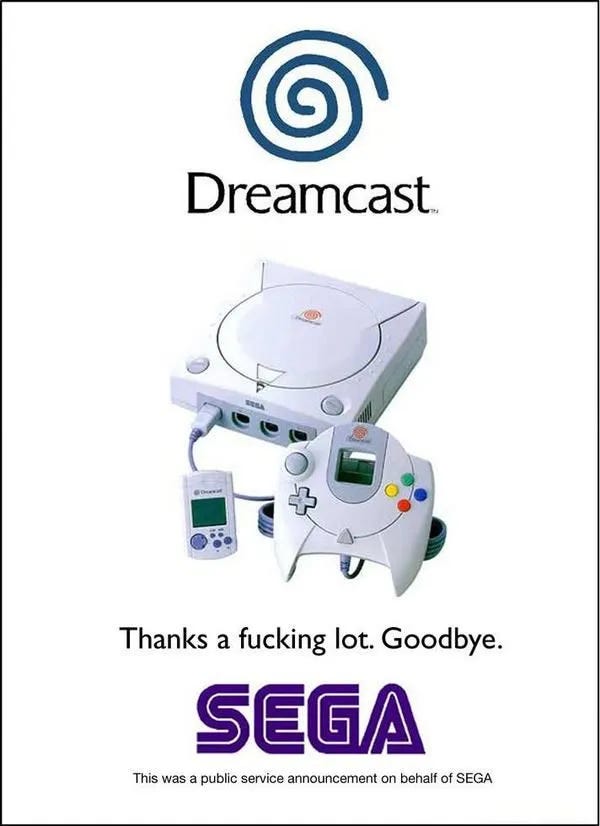
Genesis Does What Nintendon’t
The Ad Campaign That Started the Console Wars

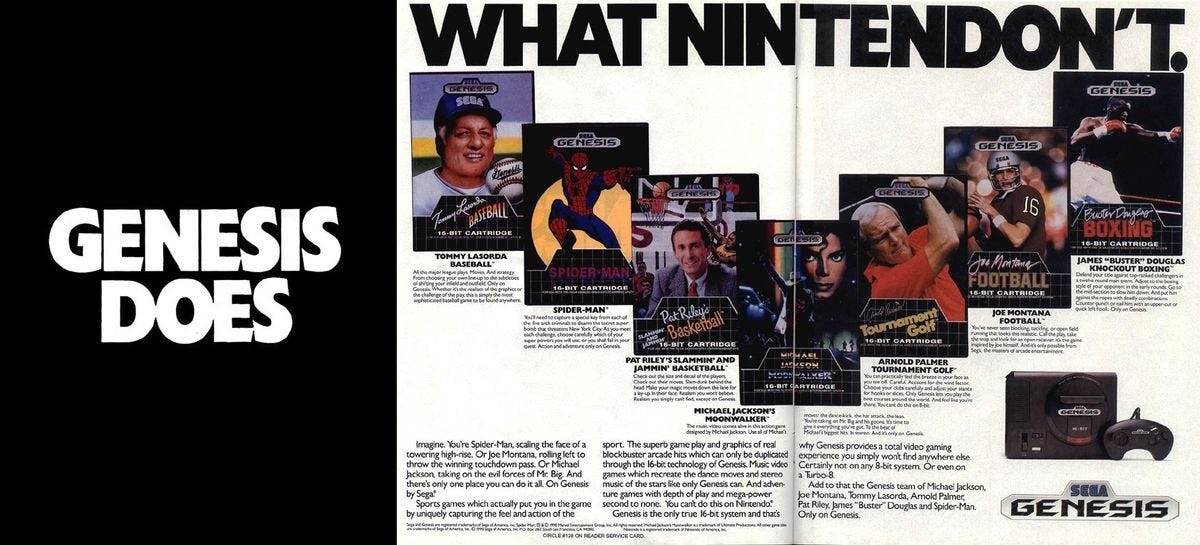
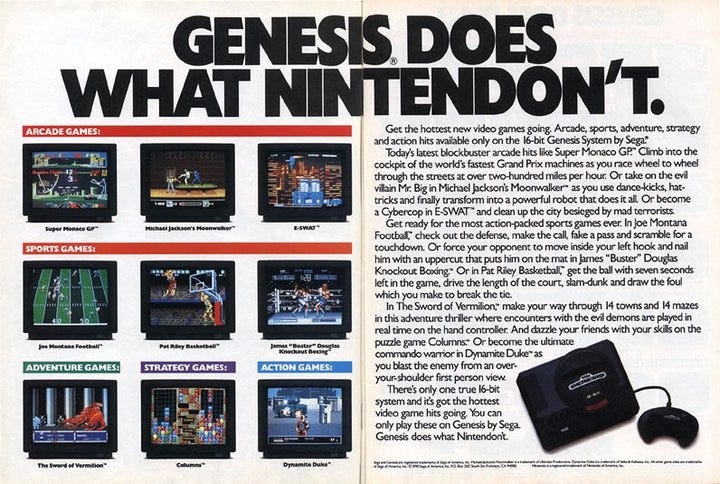
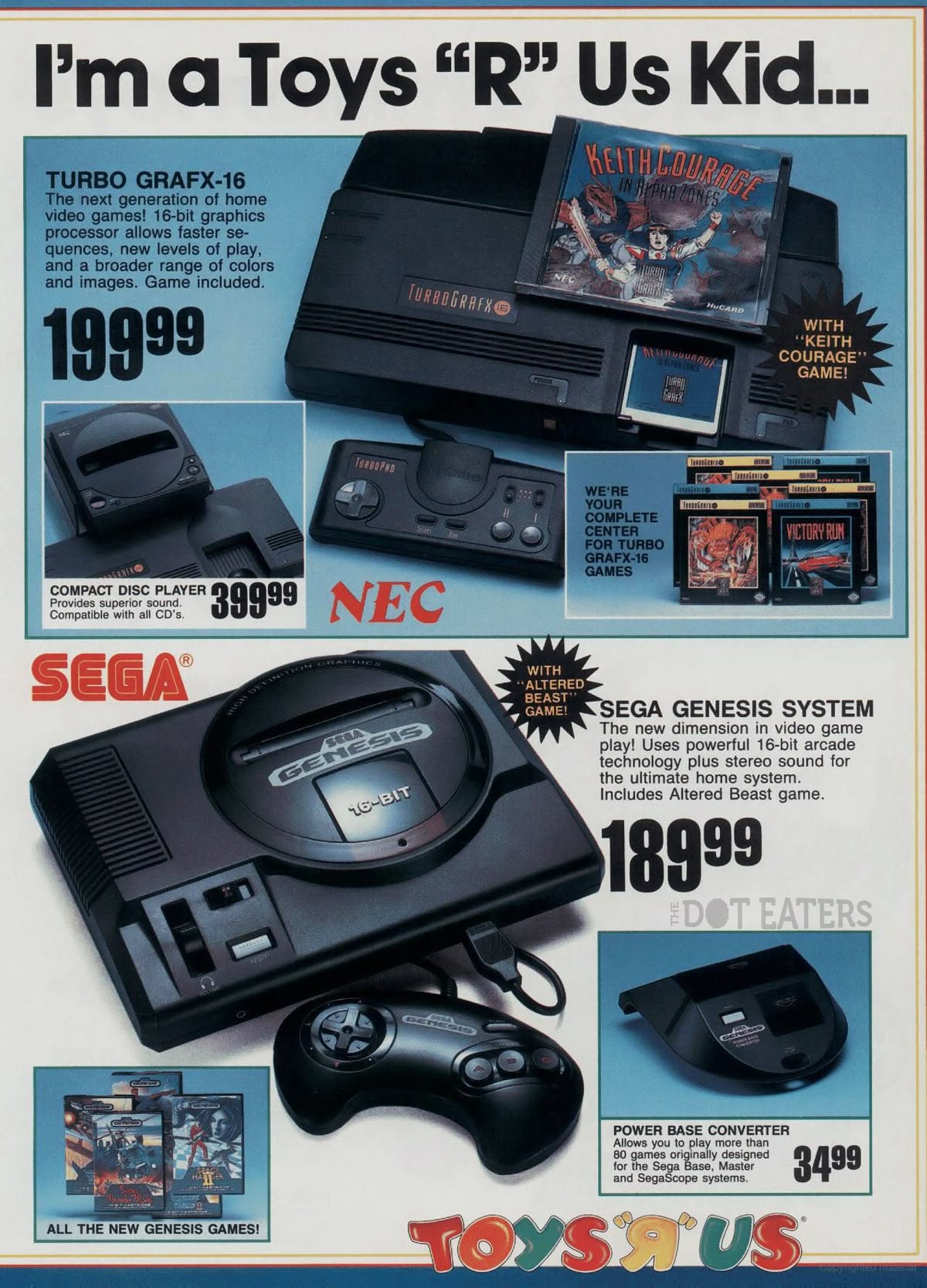
In 1989, a bold slogan changed the tone of video game marketing forever: Genesis Does What Nintendon’t. The phrase appeared in commercials promoting the Sega Genesis and directly challenged industry leader Nintendo.
At the time, Nintendo dominated the gaming market with the NES. Sega needed more than strong hardware to compete. It needed a clear identity and a way to grab attention in a market that many consumers already associated with Nintendo.
The Genesis Does What Nintendon’t campaign became that strategy. It framed Sega as the rebellious challenger and turned the battle between Sega and Nintendo into one of the most famous rivalries in entertainment history.
In the late 1980s, Nintendo controlled most of the home console market in North America. The NES had revived the video game industry after the crash of 1983 and quickly became the most recognizable gaming brand in the world.
Retailers trusted Nintendo products, developers relied on Nintendo’s licensing system, and consumers often referred to video games simply as “Nintendo.” For Sega, entering this market was extremely difficult.
Before the Genesis, Sega had already attempted to compete with the Master System. While technically capable, it struggled to gain traction in the United States because Nintendo’s influence over developers and retailers was so strong.
Sega realized it could not beat Nintendo by copying Nintendo’s strategy. Instead, it decided to position itself as the opposite of Nintendo.
What “Genesis Does What Nintendon’t” Meant
The phrase Genesis Does What Nintendon’t suggested that Sega’s console offered something Nintendo could not.
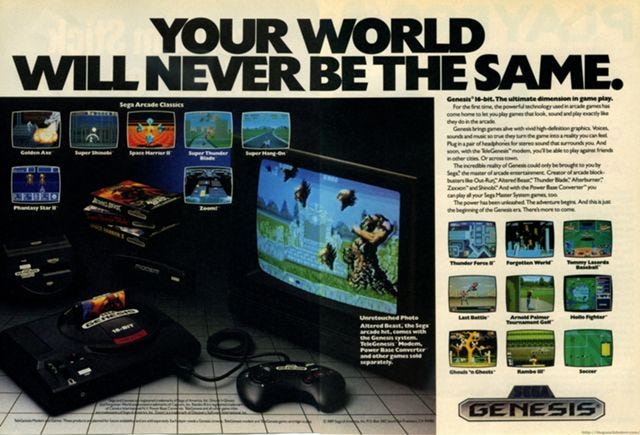
On a technical level, the message highlighted the Genesis’ 16-bit processor, which allowed more advanced graphics and faster gameplay compared to the NES. Sega often emphasized that its system delivered arcade-style gaming at home, something many players wanted during the late 1980s.
However, the slogan was not just about technology. It was also about identity.
Nintendo’s image focused on family-friendly games and younger audiences. Sega chose a different direction. The Genesis was marketed as a console for teenagers and older players who wanted faster action and edgier experiences.
This contrast helped Sega stand out in a crowded market.
The Genesis Does What Nintendon’t commercials looked very different from most gaming ads at the time.
Instead of focusing on calm demonstrations of gameplay, Sega’s ads used rapid cuts, intense voiceovers, and comparisons with Nintendo titles. The pacing felt closer to MTV programming than traditional toy advertising.
This approach spoke directly to teenagers who wanted entertainment that felt more mature than the typical children’s games associated with the NES.
The campaign also helped highlight several popular Genesis games that reinforced this identity, including Golden Axe and Altered Beast. These titles emphasized action, fantasy combat, and arcade energy.
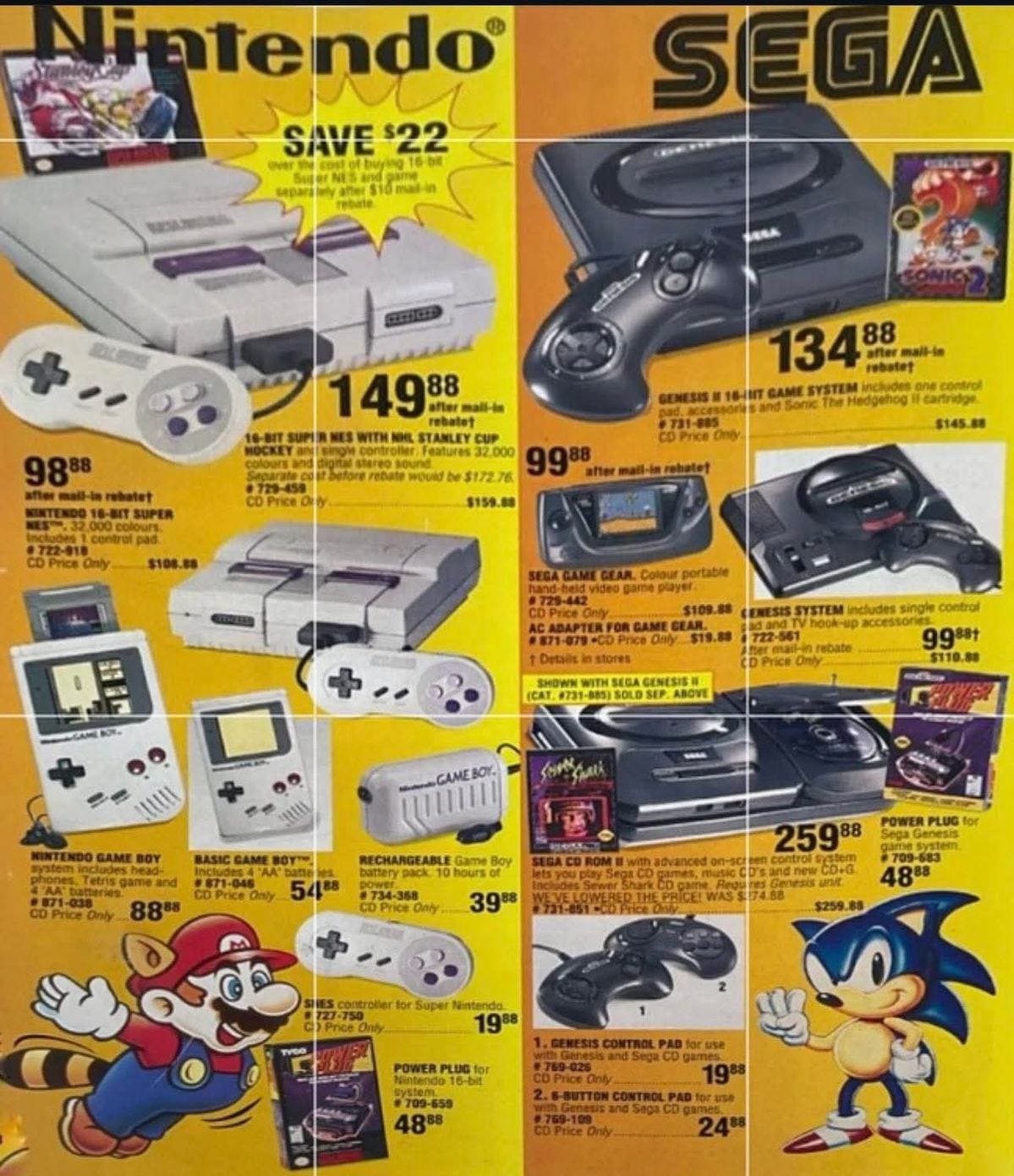
The aggressive tone of the Genesis Does What Nintendon’t campaign helped create the famous console wars of the early 1990s.
For the first time, video game advertising openly positioned one brand against another. Sega did not simply promote its console; it challenged Nintendo directly. The message encouraged players to pick a side.
This rivalry quickly spread beyond advertising. Gaming magazines compared systems, schoolyard debates became common, and fans began to identify strongly with one brand over the other.
The competition intensified when Nintendo later released the Super Nintendo Entertainment System, turning the early 1990s into one of the most competitive periods in gaming history.
Did the Campaign Actually Work?
For several years, the strategy proved highly effective.
The Genesis gained significant momentum in North America and eventually captured a large share of the market. At its peak in the early 1990s, Sega briefly led the console market in the United States.
The system ultimately sold around 30 million units worldwide, a major achievement considering Nintendo’s earlier dominance.
More importantly, the campaign changed how video games were marketed. Companies realized that branding and cultural identity could be just as important as hardware specifications.
Today, Genesis Does What Nintendon’t is still remembered as one of the most iconic slogans in gaming history. The campaign demonstrated that a challenger brand could disrupt a dominant competitor through bold messaging and clear positioning.
It also helped change the perception of video games. By targeting teenagers and emphasizing attitude and style, Sega showed that gaming could appeal to a broader audience beyond children.
Many modern marketing strategies still follow the same principles used in this campaign: clear differentiation, strong brand identity, and messaging that connects with culture rather than just technology.
More than thirty years later, the phrase remains a symbol of one of the most exciting rivalries the gaming industry has ever seen.
Thanks for making it to the end.